Rising Aircraft Utilization Is Driving Aviation Maintenance Demand
Rising Aircraft Utilization Is Driving Maintenance Demand
By the Numbers
Global air travel recovery: 95% of pre-pandemic levels
Global aircraft fleet expected to double in 20 years
Average narrow-body aircraft flies 8–11 hours per day
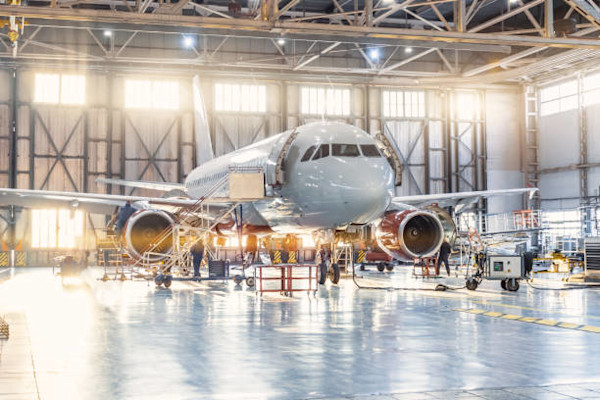
Throughout 2025, aircraft utilization across commercial, cargo, and business aviation sectors has remained consistently strong, creating sustained demand for maintenance, repair, and overhaul services across the aviation industry.
Airlines continue operating robust flight schedules as global travel demand stabilizes and expands. According to the International Air Transport Association (IATA), global passenger traffic has recovered to more than 95% of pre-pandemic levels, with several regions already exceeding previous travel volumes.
Higher aircraft utilization inevitably translates into greater maintenance requirements. More flight hours accelerate inspection intervals, increase component wear, and shorten the time between scheduled maintenance events. For maintenance providers and MRO facilities, this means heavier workloads and tighter production schedules.
At the same time, many operators are continuing to extend the service life of existing aircraft as manufacturers work through order backlogs for new aircraft deliveries. Boeing estimates that global aircraft fleets will continue expanding steadily over the next two decades, placing additional long-term pressure on maintenance infrastructure and workforce capacity.
While rising maintenance demand creates opportunity for aviation service providers, it also highlights a growing operational challenge: ensuring sufficient skilled labor is available to support the workload.
Maintenance environments depend on experienced technicians who can perform inspections, repairs, and system troubleshooting under strict regulatory standards. When workforce availability becomes limited, facilities may experience slower turnaround times and increased strain on internal teams.
As maintenance demand grows, many aviation organizations are placing greater emphasis on workforce planning and long-term partnerships that help maintain operational stability.
Workforce providers with deep aviation experience can help facilities scale labor resources when programs expand or workloads increase. By maintaining access to qualified aviation professionals, operators are better positioned to manage fluctuating demand while maintaining production schedules.
For more than 26 years, APA Aviation Staffing, LLC has supported aviation operators nationwide by connecting facilities with experienced aviation professionals capable of supporting complex maintenance programs.
As aircraft utilization continues rising across the industry, workforce stability will remain one of the most important factors in maintaining operational momentum.
APA Aviation Staffing, LLC supports aviation operators nationwide with workforce solutions designed to maintain continuity, stability, and operational momentum.