Aviation Maintenance Demand Continues Rising in 2026
Aviation Maintenance Demand Remains Strong Heading Into 2026
By the Numbers
Global passenger traffic projected to exceed pre-pandemic levels in 2026
Global commercial aircraft fleet projected to reach 48,000+ aircraft by 2042
Estimated North American aviation mechanic shortage: 24,000+ technicians
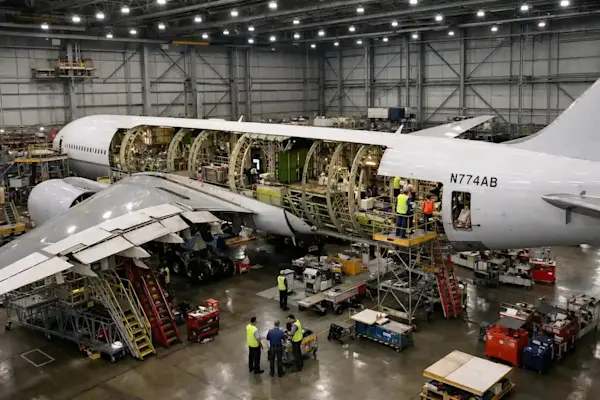
As aviation organizations move further into 2026, maintenance demand across the industry continues to show strong momentum. Aircraft utilization remains high across both commercial and business aviation sectors, creating steady demand for maintenance, repair, and overhaul services.
Airlines are maintaining robust flight schedules as passenger demand continues to grow globally. According to the International Air Transport Association (IATA), global passenger traffic is projected to surpass pre-pandemic levels in 2026, with several markets already experiencing record travel volumes.
Higher aircraft utilization inevitably translates into increased maintenance activity. Aircraft accumulate flight hours more quickly, inspections occur more frequently, and maintenance providers must manage tighter service windows to keep fleets operational.
At the same time, many airlines and operators are continuing to extend the operational life of existing aircraft while manufacturers work through large order backlogs for new deliveries. Boeing estimates the global commercial fleet will expand to more than 48,000 aircraft by 2042, nearly doubling from today’s fleet size.
For maintenance facilities, these trends create both opportunity and operational pressure.
Maintenance programs require highly skilled technicians capable of performing complex inspections, structural repairs, avionics troubleshooting, and system maintenance under strict regulatory oversight. As demand for maintenance services increases, access to experienced technicians becomes a critical factor in maintaining operational performance.
Industry workforce forecasts continue to highlight the growing importance of aviation technicians. Studies from Oliver Wyman estimate the aviation sector could face a shortage of over 24,000 aviation maintenance technicians in North America alone within the next decade if workforce pipelines do not continue expanding.
Because of this, many aviation operators are placing greater emphasis on workforce planning and long-term staffing strategies that help maintain continuity across maintenance programs.
Facilities that coordinate workforce resources early and maintain access to experienced aviation professionals are often better positioned to manage increased workloads while maintaining production schedules.
This is where workforce partnerships can provide meaningful operational support.
By working with aviation staffing providers that understand the technical and regulatory demands of maintenance environments, organizations can maintain access to experienced technicians capable of supporting complex maintenance programs when demand increases.
For more than 26 years, APA Aviation Staffing, LLC has supported aviation operators nationwide by connecting maintenance facilities with experienced aviation professionals who understand the pace and precision required inside aviation maintenance environments.
As aviation activity continues to grow, maintaining access to skilled technicians will remain one of the most important factors in keeping maintenance operations running smoothly.
APA Aviation Staffing, LLC supports aviation operators nationwide with workforce solutions designed to maintain continuity, stability, and operational momentum.